- Feb 9, 2024
Learning Mountain Bike Skills: Why invest in Skills Coaching?
- written by Roxy
- 0 comments
“Everything is hard until it gets easy". This quote is one of my main motivators in difficult situations.
As soon as you’re good at something, it feels and looks easy. That's the case in all areas of life, and of course it’s also the case when it comes to mountain biking.
When you see someone bunny hopping, for example, it looks pretty easy, doesn't it?
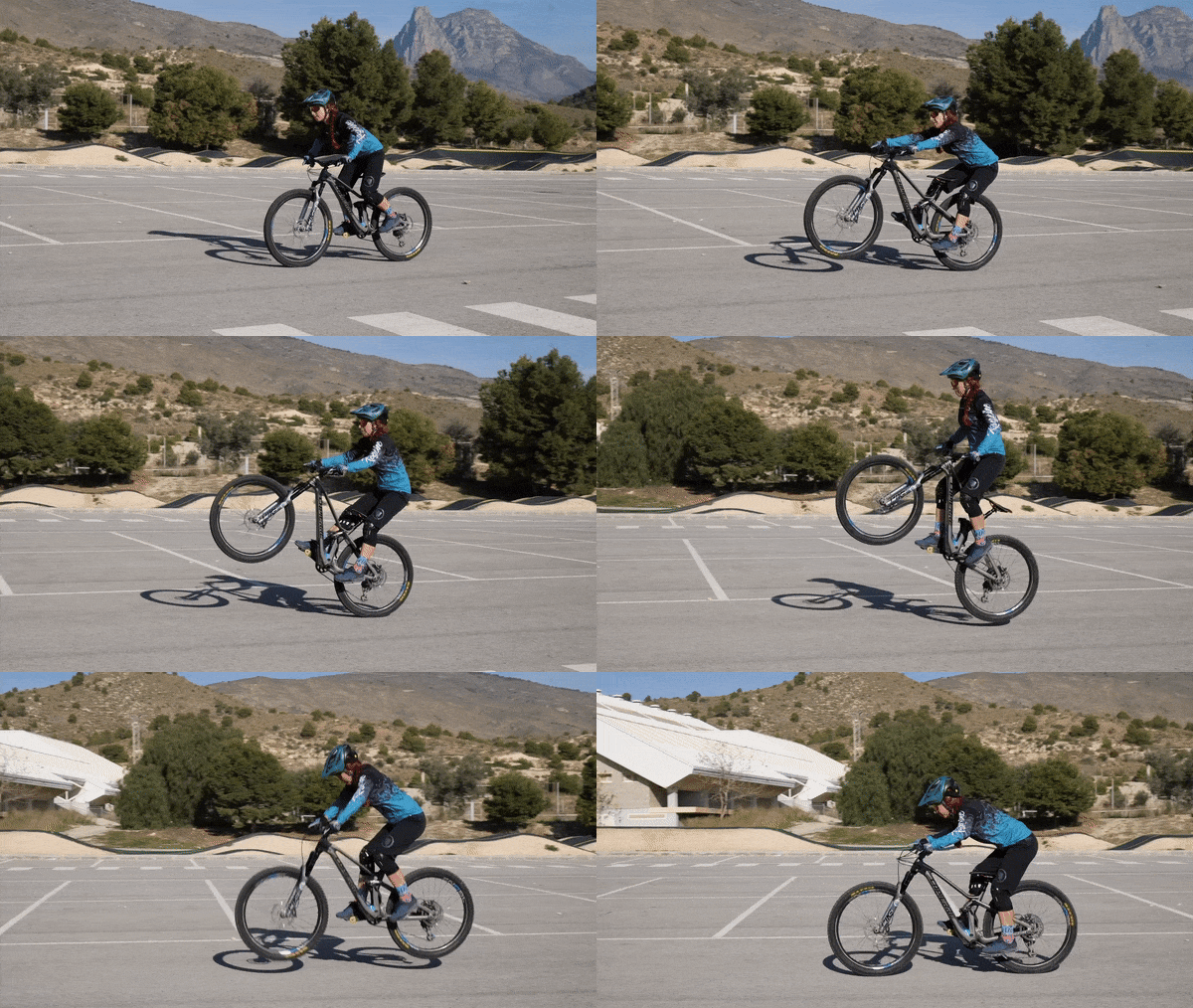
How many times have I received snide comments on social media: "That section is smooth AF, even the green trails around here are chunkier - show us the same in a hard section!"
I don’t get these comments because the trail really is easy...
I get this comment, because EVERYTHING looks easy when executed by an expert.
And exactly this "flow" - the flow of movement - is one of the main reasons why skills training is worthwhile for every biker - really every biker.
Every professional athlete (well, every successful pro athlete), no matter in which discipline, has a skills coach (or external advisors/coaches). No matter whether it's tennis, golf, mountain biking or BMX.
Once movements are fluid, they run subconsciously. "Subconsciously" means that you no longer need "processing efforts" to execute them.
This also implies, that you need much less energy to perform these movements!
This makes you faster and generally more energy- and resource-efficient.
Even though you may not want to become a professional athlete, saving resources and power means: You can ride longer and have more fun along the way!
In this article I'll share three tips with you on how you can improve your riding technique and what the benefits are for you. You'll even feel these benefits far beyond your riding.
I regularly hear that you don't need skills training because "learning by doing" is much more effective.
But often, these are also the same riders who say "Crashing is part of the game!”
I’m here to tell you: crashing regularly does NOT need to be part of the game. If you want to develop way beyond your current level, you must first be willing to admit to yourself that you don't know what you don't know.
And - from experience - that's a lot more you don't know than our ego likes to admit.
However, if you're willing to find out what you don't know (and then fill in those gaps in your knowledge), you'll not only crash less, but you'll be able to navigate difficult sections with much more confidence and ease!
Tip 1: Don't let your ego stop you!
Have you ever noticed that people only refer to themselves as "beginner" for a few rides, then ride a few easy trails and - poof! - they're on the advanced trails?
And that everyone who has been riding for a few months already calls themselves "advanced"?
This is exactly where the problem starts - because there is a huge difference between surviving an intermediate trail and mastering it in a controlled manner.
As a passenger on a bike, everyone can ride a black trail.
But as a pilot: not really.
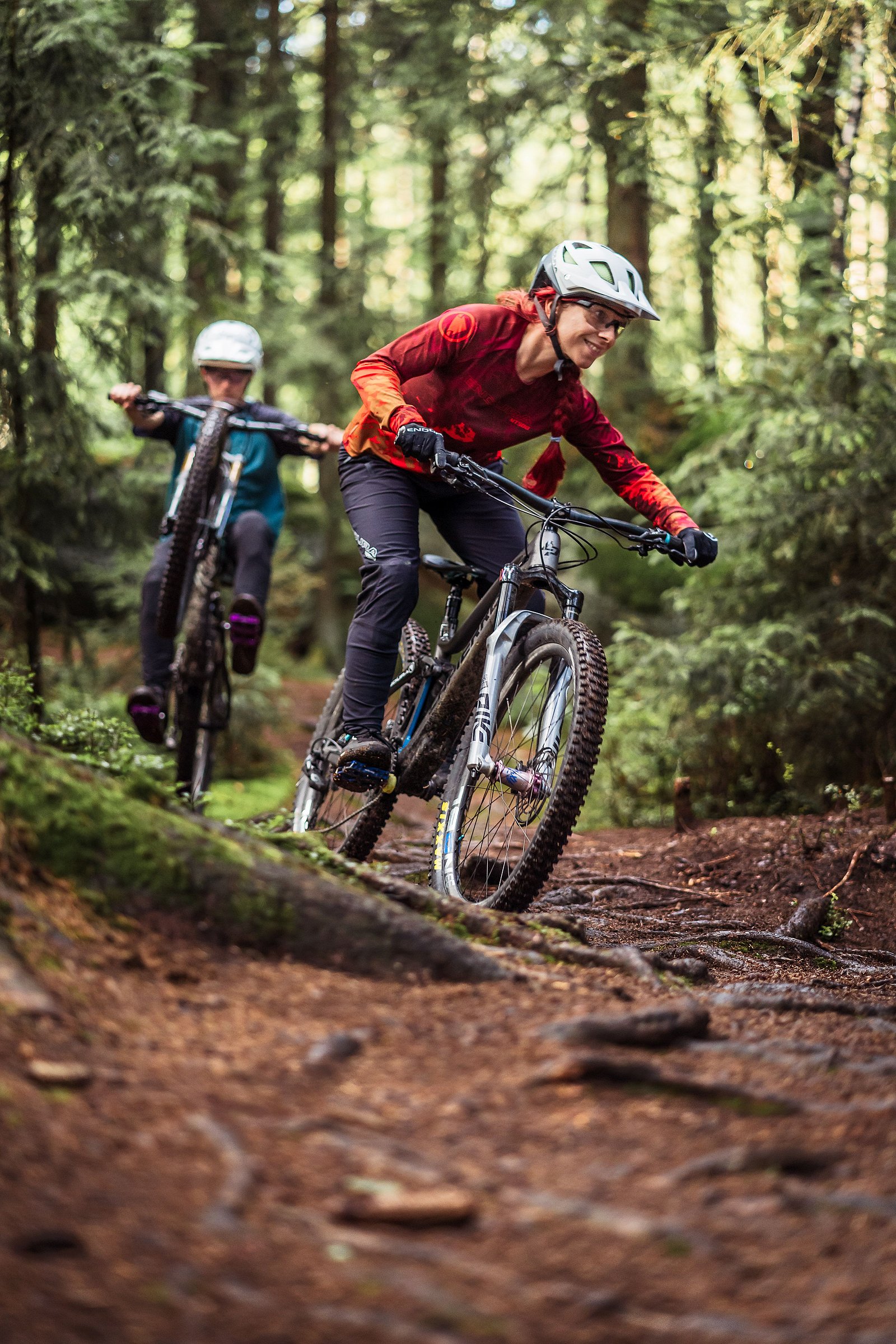
2. Acknowledge that NOBODY learns movements within a day.
The flood of easy-looking, spectacular skills on the internet often lead us to believe we can learn them easily.
Like 1-2-3!
The worldwide supply of one-day skills clinics further supports this mindset.
But the truth is: if you’re human and don’t have a history as a pro athlete, it's impossible to learn “impressive” movements within a day. Neurologically and anatomically, it's simply impossible!
Do you know a child who learned to write or walk within a day? Have you met anyone, who learned to play an instrument in a single day?
Probably not.
Bottom line is: your body and brain need time, structured repetition and rest to strengthen muscles, build coordination, and re-wire.
However, in order for your muscles and brain to know how to re-wire, you need to be practicing “the RIGHT drills”.
You need: Targeted exercises, with a clear movement goal.
So if you really want to learn how to trackstand, ride more technical downhills, or if you want to master skills like the bunny hop, be realistic in your goal setting.
Allow your body and brain the time they really need.
Also, to accelerate your learning journey, book yourself a professional coach!
What will you get out of it?
The stamina you develop while practicing in a structured manner, over weeks, will help you a TON in many areas of your life, like your job and personal life! And of course, you'll finally master those riding skills you want to rock at!
3. Bring courage!
Do you know one of the main reasons why many people do not achieve their goals?
They are afraid of making mistakes.
Many people who are afraid of making mistakes don't even start something, because of their fear.
After all, if you never try something, you can always claim that you would have succeeded, if you had tried - and you don't have to admit that you messed up.
However, if you bring the courage to make mistakes - and supplement that courage with strength, you become unstoppable.
If you have the courage to make mistakes and the strength to keep going, even when things get tough, you will succeed.
It’s just a matter of time.
Consistency is always rewarded - especially when you begin to acknowledge that mistakes are not an undesired side-effect, but actually an essential part of learning.
The upside of mistakes: Your brain learns much faster through mistakes than it does through success – it’s biology.
After all, it would be stupid, if we had to burn ourselves on the hot stove five times before we realized that we'd better not touch it…
Once you start to see mistakes as an accelerator to your learning journey and an essential part of your practice sessions - and if you have a professional coach (or precise, structured drills), to create a safe learning zone where mistakes have no negative consequences - then you can virtually "biohack" your success.
By the way, if mistakes have negative consequences, you are in a performance zone - not a learning zone. In a performance zone, your brain isn't learning anything new, it's just ingraining the things it already knows how to do. (And that is precisely why "learning by doing", i.e. just riding trails, will NOT make you an amazing rider with time).
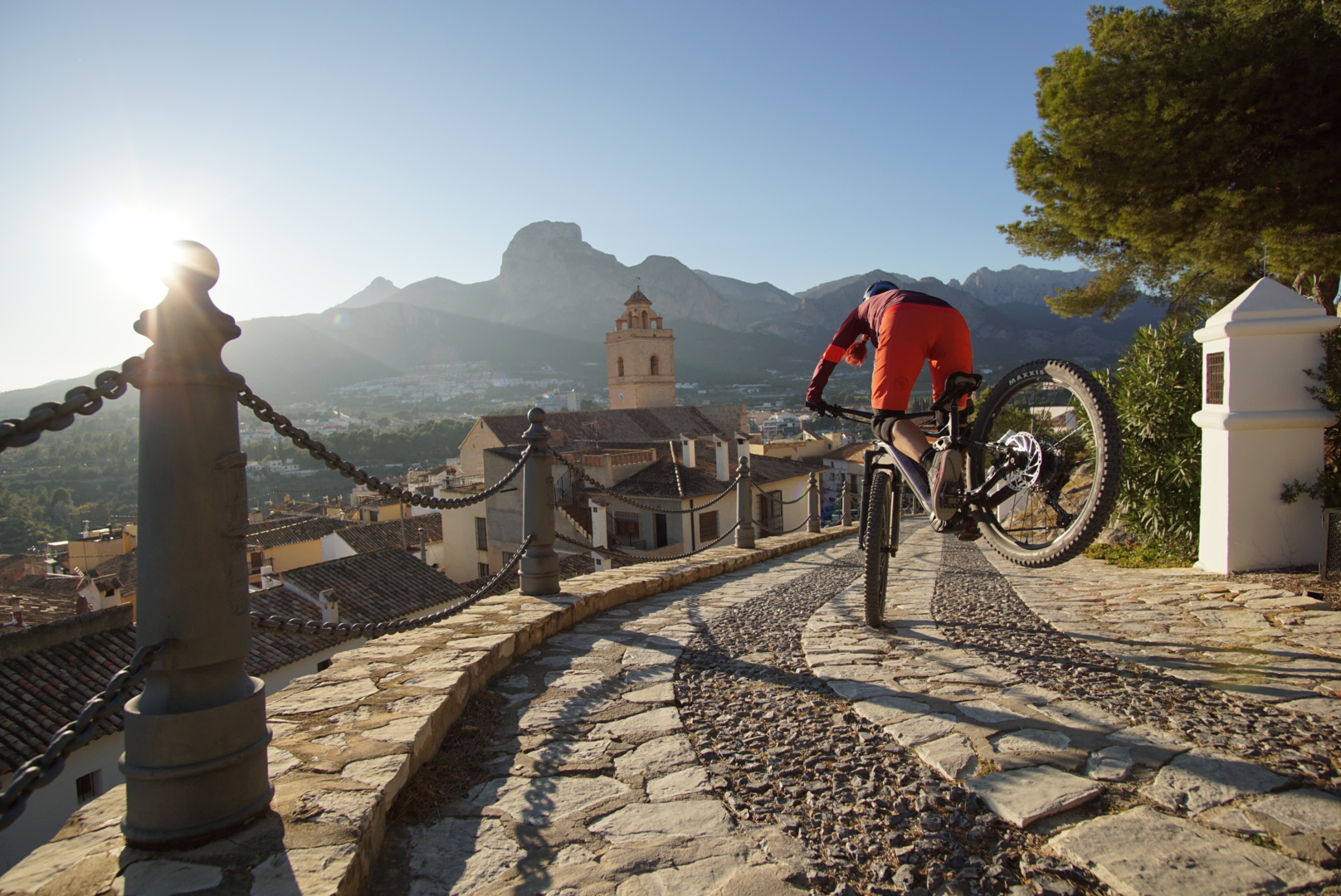
A healthy attitude towards mistakes will positively influence you far beyond riding a mountain bike and it will accelerate your learning path.
Working on this attitude and your mountain bike skills will allow you to save energy, which in turn will increase the fun factor.
Being the pilot of your bike will also enable you to control your bike at all times - reducing the risk of injury and ride anxiety.
The question is: What are you waiting for?